
Things to Do in Nashville: The Ultimate Guide to Music City’s Top Attractions
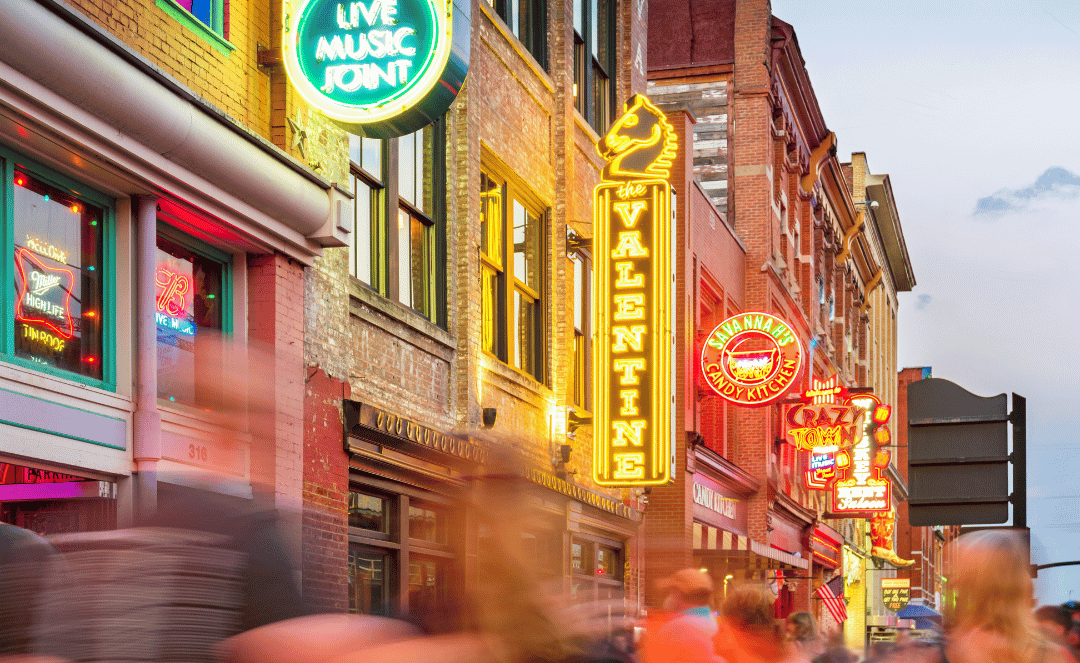
Nashville isn’t just the country music capital—it’s a vibrant city packed with world-class museums, incredible food, and hidden gems around every corner. Whether you’re a country music fan or just looking for a fun weekend getaway, Music City delivers an unforgettable experience. From honky tonks on Broadway to peaceful walks through Centennial Park, there’s something here for everyone.
Key Takeaways
- Music venues dominate the scene with over 180 live music spots, including the Grand Ole Opry, Ryman Auditorium, and intimate songwriter rooms
- Free attractions abound like the Tennessee State Museum, Parthenon, and multiple state parks that won’t cost you a dime
- East Nashville and Wedgewood Houston offer the best food scene, from authentic hot chicken to award-winning international cuisine
- Stay central in a comfortable apartment or condo to walk to downtown attractions and save on parking
Plan Your Nashville Stay
Book your Nashville apartment or condo with CozySuites and enjoy the comfort of home with hotel-level amenities in the heart of Music City.
Live Music Venues: Where Music City Comes Alive

Grand Ole Opry
The Grand Ole Opry is the longest-running radio show in America, broadcasting live since 1925. Located at 2804 Opryland Drive, this 4,000-seat venue hosts shows Tuesday through Sunday featuring country music legends and rising stars. The Opry 100 celebration continues through 2025 with special programming and surprise guest appearances.
Tickets range from $53 to $175 depending on seating. Backstage tours run daily at $46 for adults, giving you access to dressing rooms and the iconic stage. The post-show tour lets you explore right after performances end.
Pro Tip: Arrive 30 minutes early to snag free parking at Opry Mills and grab a seat for the pre-show entertainment.
Ryman Auditorium
The “Mother Church of Country Music” stands at 116 5th Avenue North in downtown Nashville. This historic building hosted the Grand Ole Opry from 1943 to 1974 and now operates as both a museum and active concert venue.
Self-guided tours cost $36 for adults (kids 12 and under are free with a paid adult). Operating hours run Monday through Sunday from 9 a.m. to 4 p.m. The Opry 100 exhibition showcases artifacts from Dolly Parton, Johnny Cash, and other great musicians who defined country music.
Guided backstage tours ($47) take you into dressing rooms and offer professional stage photos. The Ryman’s intimate atmosphere seats 2,362 people, creating a deeper appreciation for live performance than massive arenas.
Listening Room Cafe
For music fans seeking an intimate atmosphere away from the Broadway crowds, the Listening Room Cafe at 618 4th Avenue South delivers pure songwriting craft. This venue prioritizes the artists and their stories over party vibes.
Hours vary by day, typically opening at 3 p.m. Monday through Friday and 10 a.m. on Saturdays for brunch service. Nashville’s top songwriters perform here regularly, giving you a behind-the-scenes look at the music industry.
Bluebird Cafe
The Bluebird Cafe became legendary as the intimate venue where songwriters share their craft in hushed, reverent settings. Located at 4104 Hillsboro Pike, this 90-seat room has launched countless careers and continues to showcase Nashville’s deep roots in songwriting excellence.
Reservations are essential and open online weeks in advance. Shows typically feature writers-in-the-round format where multiple songwriters trade songs and stories.
Pro Tip: If you can’t score Bluebird tickets, the Listening Room Cafe offers a similar vibe with better availability.
Honky Tonks on Broadway
Downtown Nashville’s Broadway strip packs over a dozen honky tonk bars into five blocks. Most venues offer free entry with live music from 10 a.m. to 3 a.m. daily. Tootsie’s Orchid Lounge, Robert’s Western World, and Legends Corner represent the historic core, while newer spots like Luke Bryan’s 32 Bridge bring modern production values.
The honky tonk scene delivers exactly what country music fans expect: cold beer, fried bologna sandwiches, and talented bands playing classic country hits. Each venue runs multiple stages, so you’ll hear live radio-style performances no matter where you stand.
Museums and Cultural Attractions
Country Music Hall of Fame and Museum
The Country Music Hall of Fame at 222 Rep. John Lewis Way South houses the world’s largest collection of country music artifacts. This 350,000-square-foot facility traces country music from its Appalachian folk roots to today’s chart-toppers.
General admission costs $32 for adults and $22 for youth (ages 6-12). Hours run daily from 9 a.m. to 5 p.m., with peak crowds between 11 a.m. and 2 p.m. The museum includes instruments, costumes, and vehicles from legendary performers.
Combination tickets ($55) add access to Historic RCA Studio B on Music Row, where Elvis Presley and other great musicians recorded iconic songs. Studio B tours require advance reservations and depart between 10:30 a.m. and 3:30 p.m. daily.
Johnny Cash Museum
Located at 119 3rd Avenue South, the Johnny Cash Museum dedicates itself entirely to the Man in Black’s life and career. Operating daily from 9 a.m. to 7 p.m., this focused collection costs $28 for adults.
The museum explores Cash’s Arkansas childhood, Sun Records era, prison concerts, relationship with June Carter Cash, and late-career renaissance. Interactive exhibits let you explore his spiritual journey and advocacy for justice reform.
National Museum of African American Music
The National Museum of African American Music (NMAAM) opened in January 2021 at Fifth + Broadway. This groundbreaking national museum celebrates over 50 genres inspired, created, or influenced by African Americans, from gospel and blues to hip-hop and R&B.
The five permanent galleries feature interactive exhibits and over 1,400 artifacts, including stage costumes from Whitney Houston and Nat King Cole. The Rivers of Rhythm corridor links American history with African American music traditions.
Pro Tip: Visit on the first Wednesday of each month for free admission, sponsored by Nissan.
Tennessee State Museum
The Tennessee State Museum at 1000 Rosa L Parks Boulevard offers completely free admission to all visitors. This 137,000-square-foot facility opened in 2018 with six permanent exhibitions covering 13,000 years of Tennessee history.
Hours run Tuesday through Saturday from 10 a.m. to 5 p.m. and Sunday from 1 p.m. to 5 p.m. (closed Mondays). The museum’s Civil War collection ranks among the nation’s finest, featuring uniforms, battle flags, and weapons. Interactive exhibits and multimedia displays bring Tennessee history to life for all ages.
Free guided tours focus on specific themes, including African American history. The children’s gallery provides hands-on activities for young visitors.
Frist Art Museum
The Frist Art Museum occupies a beautifully restored Art Deco building at 919 Broadway. This 45,000-square-foot space features rotating exhibitions that change every few months, bringing diverse artistic traditions to Nashville.
Adult admission costs $20, with discounts for seniors ($16) and students ($16). Kids 18 and under enter free. Hours vary by day, with extended Thursday evenings until 8 p.m. The Martin ArtQuest gallery offers hands-on art-making activities for families.
The Parthenon at Centennial Park
Centennial Park’s full-scale replica of the Greek Parthenon stands as one of Nashville’s most unique attractions. Built between 1920 and 1931, this exact reproduction houses the 42-foot gilded Athena Parthenos sculpture—the tallest indoor sculpture in the United States.
Adult admission costs $15, seniors and youth (ages 4-17) pay $10, and kids under 4 enter free. SNAP/EBT cardholders receive free admission for up to four people. Hours run Monday through Wednesday 9 a.m. to 7 p.m., Thursday through Saturday 9 a.m. to 4:30 p.m., and Sunday 12:30 p.m. to 4:30 p.m.
Current exhibitions include Alan LeQuire’s “Monumental Figures” celebrating Nashville natives and activists. Free docent-led tours provide deeper context about the building’s history and art collection.
Neighborhoods Worth Exploring
Downtown Nashville: The Tourist Hub
Downtown Nashville centers on Broadway’s honky tonks, but the surrounding blocks hold hidden gems like Printer’s Alley. This historic passageway between 3rd and 4th Avenue North features cocktail bars and music venues with a more sophisticated vibe than Broadway’s party scene.
The Music City Walk of Fame on the Music City Walk honors inductees with sidewalk stars along Demonbreun Street and the Bridgestone Arena plaza. Notable names include Johnny Cash, Dolly Parton, and Taylor Swift.
Parking downtown runs $10-30 per day in parking garages. If you stay downtown in a CozySuites apartment, you can walk to most attractions and skip the parking hassle.
| Neighborhood | Vibe | Best For | Accommodation Type |
| Downtown |
Tourist-friendly, bustling |
Live music, museums, nightlife | Apartments & Condos |
| East Nashville | Artsy, local favorite |
Restaurants, coffee shops, murals |
Apartments & Condos |
|
Wedgewood Houston |
Trendy, upscale dining | Fine dining, galleries, breweries | Apartments & Condos |
East Nashville: The Local Favorite
East Nashville has earned recognition as the city’s culinary capital, with the highest concentration of acclaimed restaurants. This artsy neighborhood east of the Cumberland River features vintage shops, coffee roasters, and some of Nashville’s best food.
Bolton’s Hot Chicken (624 Main Street) has served authentic hot chicken for over 25 years. The dry-rub preparation delivers slow-building heat that distinguishes it from sauce-based competitors. Red’s 615 and Brave Idiot also rank among the city’s top hot chicken destinations.
Beyond hot chicken, East Nashville’s food scene includes Butcher and Bee (Mediterranean), Bad Idea (Laotian cuisine with French technique), and Xiao Bao (pan-Asian). Craft breweries and coffee shops line every major street.
Wedgewood Houston: The Up-and-Comer
Wedgewood Houston transformed from industrial warehouses into Nashville’s trendiest dining district. Located just south of downtown, this neighborhood houses upscale restaurants in converted spaces with soaring ceilings and exposed brick.
Pastis (French brasserie), Bastion (tasting menu), and Aba (Mediterranean) represent the neighborhood’s fine dining anchors. Dicey’s Pizza and Café Babu offer more casual options. The area feels less touristy than downtown while maintaining walkability to major attractions.
Outdoor Activities and Parks
Centennial Park
This 132-acre urban park at 2500 West End Avenue offers Nashville’s best free outdoor space. Beyond the Parthenon, the park features Lake Watauga with a one-mile walking trail, sunken gardens, playgrounds, and a dog park.
The 19-acre Great Lawn hosts special events year-round, including Shakespeare in the Park, Musicians Corner (free concerts May-September), and seasonal festivals. The park provides free parking and connects to Nashville’s greenway system.
Bicentennial Capitol Mall State Park
This unique state park sits directly across from the State Capitol in downtown Nashville. The 19-acre facility opened in 1996 with interpretive features documenting Tennessee history through a designed landscape.
A 0.9-mile paved trail connects historical installations including a 200-foot granite map of Tennessee, the Court of Three Stars (31 fountains representing Tennessee’s counties), and the Rivers of Tennessee Walkway. The park’s location adjacent to the Tennessee State Museum and Nashville Farmers Market creates a perfect morning itinerary.
Cumberland River and Pedestrian Bridge
The John Seigenthaler Pedestrian Bridge spans 3,000 feet across the Cumberland River, connecting downtown with East Nashville. This converted historic bridge offers panoramic skyline views, especially stunning at sunset.
The bridge connects to greenway trails on both sides, enabling longer walks or bike rides. Free access 24/7 makes it a great free attraction any time of day.
Radnor Lake State Park
Located 12 miles south of downtown, Radnor Lake preserves 1,368 acres of forest and wetlands surrounding an 85-acre lake. Six miles of hiking trails range from easy lakeside paths to strenuous ridge routes.
The park requires parking reservations during peak weekend periods. Wildlife including white-tailed deer, wild turkey, and migratory waterfowl make this a favorite spot for nature lovers and history buffs interested in Nashville’s ecological heritage.
Food Scene Essentials

Nashville Hot Chicken
No visit to Nashville is complete without trying hot chicken. This cayenne-coated fried chicken originated at Prince’s Hot Chicken in the 1940s and has become the city’s signature dish.
Prince’s Hot Chicken (5814 Nolensville Pike) remains the original source, serving spicy chicken with minimal frills. Hattie B’s (multiple locations) offers tourist-friendly service with seven heat levels from “Southern” (no spice) to “Shut the Cluck Up” (ghost pepper).
Bolton’s (624 Main Street in East Nashville) uses a dry-rub technique with slow-building heat. Pepperfire (multiple locations) pioneered hot chicken tenders and the “Peppercheese” (grilled cheese stuffed with hot chicken).
Pro Tip: Order “medium” heat on your first try. Nashville hot chicken runs significantly spicier than most people expect.
Nashville Farmers Market
The Nashville Farmers Market at 900 Rosa L Parks Boulevard operates year-round with indoor and outdoor spaces. The indoor market house (open daily 8 a.m. to 8 p.m.) features 30 restaurants serving global cuisines from wood-fired pizza to Korean bibimbap.
Outdoor farm sheds operate Friday through Sunday with 100+ farmers and artisans. Winter hours (November-February) run 10 a.m. to 2 p.m., expanding to 9 a.m. to 2 p.m. March through October. Free two-hour parking makes the market easily accessible.
The market earned designation as a Certified Level 1 Arboretum in September 2025, showcasing labeled trees throughout the property. Free events include Music at the Market concerts and seasonal celebrations.
Great Restaurants by Neighborhood
Downtown: The Southern Steak & Oyster, Acme Feed & Seed, The Stillery
East Nashville: Butcher and Bee, Peninsula, Margot Café & Bar, Bad Idea
Wedgewood Houston: Pastis, Bastion, Aba, Dicey’s Pizza
Midtown: Red’s 615, Henrietta Red, Miel
Nashville’s food scene extends far beyond hot chicken to include award-winning fine dining, authentic international cuisine, and innovative fusion concepts. The city earned Michelin recognition in 2024, cementing its status as a serious culinary destination.
Family-Friendly Attractions
Nashville Zoo
The Nashville Zoo at 3777 Nolensville Pike spans 188 acres with habitats recreating environments from around the world. African elephants, big cats, primates, and reptiles make up the diverse collection.
Hours run 9 a.m. to 4 p.m. daily (closed Thanksgiving, Christmas, and New Year’s). Adult tickets range from $22 to $24 depending on the date, with kids ages 2-12 paying $4 less. Children under 2 enter free.
The zoo attracts over one million annual visitors and consistently ranks as Tennessee’s top family attraction. Plan at least 3-4 hours to see all the exhibits.
Adventure Science Center
Adventure Science Center at 800 Fort Negley Boulevard offers hands-on science exhibits spanning biology, physics, and space exploration. The 75-foot Adventure Tower provides city views alongside educational activities.
Permanent exhibits include Space Chase simulator, BodyQuest anatomy exploration, and the Tinkering Garage for creative problem-solving. The Sudekum Planetarium presents astronomy shows for different age groups.
Hours and pricing vary by season. Summer and holiday periods feature extended daily operations, while school-year months may reduce to weekday-only schedules for field trips.
Nashville Public Library
The Main Library at 615 Church Street provides exceptional free resources for families. The children’s area features thousands of books, regular storytime programming, a puppet theater with live productions, and a climbing wall for active kids.
The East Reading Room offers beautiful natural light for reading or studying. Special exhibitions in the Civil Rights Room and Votes for Women Room document social movement history.
Free admission and downtown location make this an ideal rainy day activity or quiet break from tourist attractions.
Music Industry Landmarks
Music Row
Music Row, centered on 16th and 17th Avenues South, houses the heart of Nashville’s music industry. Recording studios, label offices, and publishing houses line these residential streets where countless hits have been created.
RCA Studio B on Music Row offers guided tours through the Country Music Hall of Fame ($23, or $55 combined with museum admission). This legendary studio recorded over 35,000 songs including hits by Elvis, Dolly Parton, and Willie Nelson.
The area features the Musicians Hall of Fame (301 Gay Street, relocated from Music Row), showcasing the session players and touring musicians who created iconic recordings. Interactive exhibits let you explore instruments and recording techniques.
The Gulch and SoBro
The Gulch neighborhood south of Broadway underwent massive redevelopment over the past decade. Upscale restaurants, rooftop bars, and boutique hotels now fill this walkable district.
SoBro (South of Broadway) connects the Gulch to downtown with attractions like the Music City Center convention facility and Assembly Food Hall, featuring 30 food vendors under one roof.
The Nashville Pedal Tavern operates party bike tours through these neighborhoods, letting groups pedal bar-topped bikes while enjoying drinks. Tours last 2-3 hours and require advance reservations.
Guided Tours and Experiences
Old Town Trolley Tours
Old Town Trolley Tours provides hop-on, hop-off service to Nashville’s major attractions. The fully narrated loop covers Music Row, the Gulch, downtown, and more over approximately 90 minutes. You can exit at any stop, explore, and catch the next trolley (every 20-30 minutes).
Tickets include a Nashville Farmers Market voucher and discounts at partner attractions. Tours operate daily with varying seasonal hours.
Music City Walk of Fame
The Music City Walk of Fame inductees receive stars embedded in sidewalks along Demonbreun Street and around Bridgestone Arena. Self-guided walking tours let you find your favorite artists’ stars while exploring downtown.
Over 90 inductees include country legends, rock stars, and music industry pioneers who impacted Nashville’s legacy.
Self-Guided Tours
Most Nashville attractions offer self-guided options perfect for independent travelers. The Ryman Auditorium’s self-guided tour ($36) includes exhibit access, video presentations, and stage photos without requiring a tour group schedule.
The Johnny Cash Museum and Musicians Hall of Fame both operate as self-guided experiences where you explore at your own pace. Interactive exhibits and video content provide context without needing docent narration.
Seasonal Events and Special Programming
Year-Round Events
Nashville’s special events calendar runs year-round with music festivals, cultural celebrations, and seasonal programming. Musicians Corner at Centennial Park (May, June, September) presents free concerts featuring emerging and established artists.
The Nashville Farmers Market hosts Music at the Market concerts throughout the year and seasonal celebrations including the Shop Local Holiday Market with free Santa photos in December.
Holiday Programming
Winter brings special events across the city. The Ryman Auditorium hosts Grand Ole Opry at the Ryman seasonal performances. The Parthenon presents SONUS Choir’s “All Is Calm” holiday concerts in December.
Cheekwood Estate & Gardens (west of downtown) transforms into a holiday lights spectacular with over one million lights illuminating the grounds.
Pro Tip: Book holiday accommodations early. December sees peak visitation from travelers seeking Nashville’s festive atmosphere.
Practical Tips for Visiting Nashville
Getting Around
Parking: Downtown parking garages cost $10-30 daily. Many attractions offer free parking (Grand Ole Opry, Nashville Zoo, Centennial Park on weekends). The Nashville Farmers Market provides free two-hour parking.
WeGo Public Transit: Nashville’s bus system serves major attractions with routes running approximately every 30 minutes. Day passes offer unlimited rides.
Walking: Downtown Nashville is highly walkable. You can walk from the Country Music Hall of Fame to the Ryman Auditorium in under 5 minutes. East Nashville and Wedgewood Houston require short drives or rideshares from downtown.
Where to Stay
Tennessee vacation rentals with CozySuites put you in the heart of the action with apartment and condo options. Unlike hotels, you’ll have full kitchens, separate living spaces, and the comfort of a home base between adventures.
Note: CozySuites offers apartments and condos only (no houses or cabins). Our properties deliver hotel-standard cleanliness with residential comfort in prime Nashville locations.
Best Times to Visit
Spring (March-May): Perfect weather, blooming flowers, and Musicians Corner concerts. Peak season means higher prices.
Summer (June-August): Hot and humid, but full event calendars and extended attraction hours. Book indoor activities for midday heat breaks.
Fall (September-November): Ideal weather, fall colors, and lower crowds than summer. Great time for outdoor activities.
Winter (December-February): Fewest crowds and lowest prices. Holiday programming adds festive atmosphere. Some outdoor attractions have reduced hours.
Money-Saving Tips
Nashville offers numerous free attractions perfect for budget-conscious travelers:
- Tennessee State Museum: Completely free admission
- Parthenon: Free for SNAP/EBT cardholders (up to 4 people)
- Bicentennial Capitol Mall State Park: Free access
- Musicians Corner: Free concerts in Centennial Park
- Honky tonks: Free entry with tip-based performer support
- Cumberland River Pedestrian Bridge: Free 24/7
Pro Tip: Visit the first Wednesday of each month for free admission to the National Museum of African American Music.
Hidden Gems for Fun Things Off the Beaten Path
Cheekwood Estate & Gardens
Located at 1200 Forrest Park Drive, Cheekwood combines a historic mansion with 55 acres of botanical gardens. The mansion houses American and contemporary art collections, while the gardens showcase seasonal plantings and sculpture installations.
Adult admission costs $20-25 depending on the season. Hours vary, with extended summer evening hours for garden strolls. Special exhibitions rotate throughout the year.
Fort Negley Park
Fort Negley represents one of the Civil War’s largest inland stone forts. Located on a hill south of downtown, the park offers guided and self-guided tours of the historic structure. The visitor center provides context about the fort’s construction by enslaved and free African Americans.
Free admission makes this an excellent attraction for history buffs interested in Civil War history beyond museum exhibits.
The Hermitage
Andrew Jackson’s plantation home, located at 4580 Rachel’s Lane (12 miles east of downtown), preserves the most historically significant residential property in Middle Tennessee. Daily tours explore the mansion, gardens, and reconstructed slave quarters.
Admission starts at $21, with VIP tours offering expanded access and photography privileges. The estate closes only on Thanksgiving, Christmas Eve, and Christmas Day.
Warner Parks
Percy Warner Park and Edwin Warner Park collectively encompass 2,684 acres of preserved forest in southwestern Davidson County. Twenty miles of trails accommodate hikers, mountain bikers, and equestrians.
The Nature Center provides environmental education programming and trail maps. Percy Warner’s road system closes to vehicles on weekend mornings, creating traffic-free routes for cyclists and runners. Free admission and free parking make this a great outdoor escape.
FAQ
What is the #1 thing to do in Nashville?
The Grand Ole Opry is Nashville’s most iconic attraction and must-see for anyone visiting Music City. This 100-year-old live radio show features country music legends and rising stars performing in a 4,000-seat venue. Shows run Tuesday through Sunday with tickets starting at $53. The Opry represents Nashville’s deep roots in country music and delivers an authentic Nashville experience you can’t get anywhere else. Book tickets in advance during peak season as shows often sell out.
Is 2 days enough for Nashville?
Two days gives you enough time to hit major highlights but won’t feel rushed. Day one should focus on downtown attractions: Country Music Hall of Fame in the morning, lunch at the Nashville Farmers Market, afternoon at the Ryman Auditorium, and honky tonks on Broadway at night. Day two could include the Grand Ole Opry, hot chicken lunch in East Nashville, and exploration of Centennial Park and the Parthenon. Stay downtown in a CozySuites apartment to maximize your time and minimize travel between attractions. Three days would let you add the Tennessee State Museum, more neighborhood exploration, and day trips to attractions like the Hermitage.
What is the best month to visit Nashville?
May and September offer the best combination of pleasant weather, manageable crowds, and full event calendars. Spring weather in May brings blooming flowers, comfortable temperatures (60s-70s°F), and Musicians Corner free concerts in Centennial Park. September delivers beautiful fall weather, lower humidity than summer, and reduced tourist crowds compared to peak season. Both months let you enjoy outdoor attractions like Centennial Park and Cumberland River walks without extreme heat or cold. Holiday season (December) brings special events and festive atmosphere but higher prices and crowds.
What food is Nashville famous for?
Nashville hot chicken is the city’s signature dish and most famous food. This cayenne-coated fried chicken originated at Prince’s Hot Chicken in the 1940s and has become a global phenomenon. The spicy preparation delivers intense heat through cayenne pepper paste applied after frying, served with white bread and pickle chips. Beyond hot chicken, Nashville’s food scene includes meat-and-three diners serving Southern comfort food, Broadway honky tonks serving fried bologna sandwiches, and an increasingly sophisticated fine dining scene with Michelin-recognized restaurants. The Nashville Farmers Market showcases great restaurants serving global cuisines in one convenient location.
Where do locals go in Nashville instead of Broadway?
East Nashville attracts locals seeking great restaurants, craft breweries, and authentic neighborhood vibes without tourist crowds. This artsy area east of the Cumberland River features the city’s highest concentration of acclaimed restaurants, vintage shops, and coffee roasters. Bolton’s Hot Chicken, Butcher and Bee, and numerous other great restaurants serve locals daily. Wedgewood Houston south of downtown has emerged as another local favorite with upscale dining at places like Pastis, Bastion, and Aba. Locals also frequent Five Points, Germantown, and 12 South neighborhoods for dining and shopping away from downtown’s tourist-heavy zones.
Do you need a car to get around Nashville?
Downtown Nashville is highly walkable for major attractions including the Country Music Hall of Fame, Ryman Auditorium, honky tonks, and museums. However, you’ll need transportation for attractions outside downtown like the Grand Ole Opry (20 minutes away), East Nashville restaurants, and parks. Options include rental cars, rideshare services (Uber/Lyft), and WeGo public buses. If you stay downtown in a CozySuites apartment, you can walk to most attractions during the day and only need rides for evening Opry shows or neighborhood restaurant exploration. This saves significantly on parking garage fees ($10-30 daily downtown) while maintaining flexibility.
