
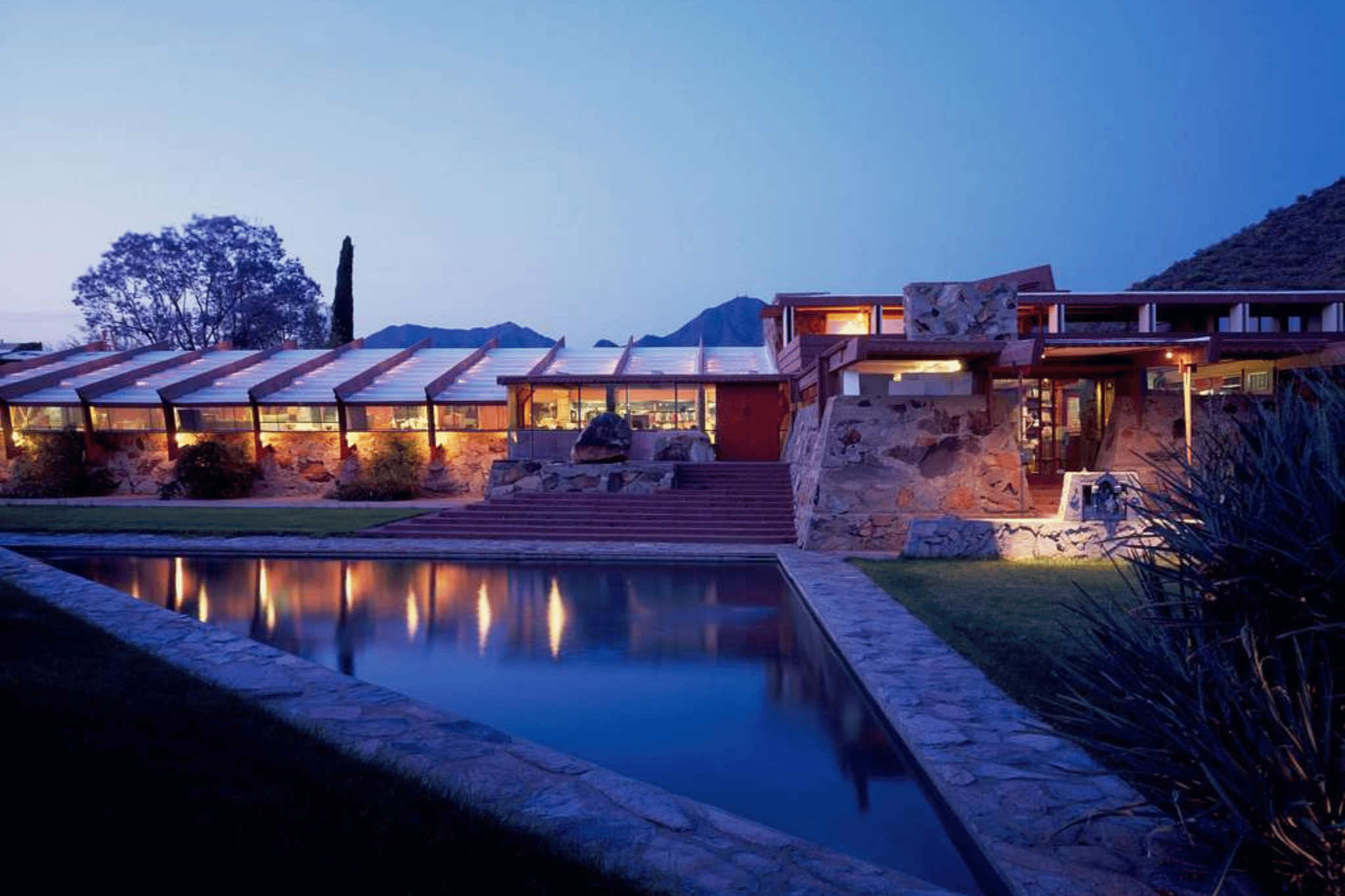
Nestled in the foothills of the McDowell Mountains, Taliesin West stands as one of Frank Lloyd Wright’s most innovative architectural achievements. This UNESCO World Heritage Site served as Wright’s winter home and desert laboratory from 1937 until his death in 1959. Today, visitors from around the world come to experience the genius of organic architecture set against the stunning Sonoran Desert landscape.
Key Takeaways
- Taliesin West is a UNESCO World Heritage Site and National Historic Landmark showcasing Frank Lloyd Wright’s organic architecture principles
- The site offers multiple tour options, including self-guided audio tours, behind-the-scenes experiences, and desert hikes
- Located at 12621 N. Frank Lloyd Wright Blvd in Scottsdale, Arizona, the site is open year-round, with advance reservations strongly recommended
- The architecture features innovative desert masonry, integrating local rock and sand into the design to blend seamlessly with the natural environment
Book Your Scottsdale Stay
Planning to visit Taliesin West? Book your comfortable Scottsdale apartment or condo with CozySuites and enjoy a convenient home base for exploring all that the area has to offer.
What is Taliesin West?
Taliesin West represents Frank Lloyd Wright’s vision of a desert utopia. The name “Taliesin” comes from a Welsh word meaning “shining brow,” reflecting Wright’s philosophy of building structures that sit naturally on the land rather than dominating it. Wright purchased several hundred acres in what was then rural northeast Scottsdale to create this winter retreat and architectural studio.
The complex served multiple purposes throughout Wright’s life. It functioned as his personal winter home, a working drafting studio, and the winter campus for the Taliesin Fellowship. Wright’s apprentices lived and worked here, learning architecture through hands-on experience while helping to construct and modify the buildings.
Today, Taliesin West remains the home of the Frank Lloyd Wright Foundation. The site continues the legacy of architectural education and preservation that Wright established decades ago.
The History Behind Frank Lloyd Wright’s Arizona Desert Laboratory
Why Wright Chose the Arizona Desert
Frank Lloyd Wright first arrived in Arizona in the 1920s to work on the Arizona Biltmore Hotel project. He fell in love with the dramatic desert landscape and the quality of light in the valley. In 1937, Wright began construction on Taliesin West, seeking a warmer climate for the winter months compared to his Wisconsin estate, the original Taliesin in Spring Green.
Wright drew inspiration from the desert environment surrounding the site. The nearby mountains, the vast open spaces, and the unique desert flora all influenced his design approach. He wanted to create buildings that emerged from the desert floor rather than imposing upon it.
The Evolution of the Desert Camp
What began as a relatively simple desert camp evolved over more than two decades. Wright continuously modified and expanded Taliesin West until his death in 1959. The complex eventually included a drafting studio, dining facilities, three theaters, a workshop, Wright’s office and private living quarters, and residences for apprentices and staff.
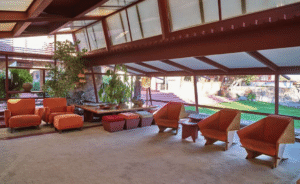
The buildings connect through a series of walkways, terraces, pools, and gardens. This layout creates a cohesive campus that flows naturally across the desert landscape. Wright designed all interior furniture and decorations, with apprentices crafting most pieces on-site.
Pro Tip: The site you see today represents decades of evolution. As Taliesin West took on greater permanence, more durable materials like steel and fiberglass replaced earlier canvas and wood elements.
Understanding Organic Architecture and Desert Masonry
What Makes Wright’s Work Revolutionary
Frank Lloyd Wright developed what he called “organic architecture,” a philosophy that fundamentally changed how we think about buildings. Organic architecture emphasizes harmony between human habitation and the natural world. This approach includes open floor plans, blurred boundaries between interior and exterior spaces, and the innovative use of materials.
At Taliesin West, these principles come to life in dramatic fashion. The buildings feature continuous spaces that flow from inside to outside. Large openings frame views of the McDowell Mountains and surrounding desert, making nature an integral part of the architecture.
Wright’s work from this period influenced the development of modern architecture in Europe. Architects and critics recognized his innovative solutions for housing, worship, work, and leisure spaces.
The Innovative Use of Desert Masonry
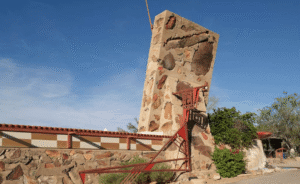
Wright pioneered a construction technique he called “desert masonry”, specifically for Taliesin West. This method involves setting local rocks into wooden forms and binding them with a mixture of cement and desert sand. The resulting walls incorporate the colors and textures of the surrounding landscape.
By using materials found on-site, Wright minimized the environmental impact of construction. The desert masonry walls appear to grow organically from the land itself. Canvas roofs originally bathed interior spaces with natural light, while redwood beams provided Wright’s signature red accents throughout the complex.
The technique proved both practical and beautiful. Desert masonry provided thermal mass to moderate interior temperatures in the extreme Arizona climate while creating a visual connection to the Sonoran Desert setting.
Visiting Taliesin West: Tours and Experiences
Self-Guided Audio Tour
Most visitors begin with the self-guided audio tour, which is offered every day the site is open. This tour takes you through the historic core, including Wright’s living quarters and working spaces. You control the pace, allowing time to absorb the details and take photographs.
The audio tour provides excellent context about Wright’s life, his architectural philosophy, and the specific features of Taliesin West. You’ll explore the drafting studio where Wright and his apprentices created designs for buildings across the country.
Tickets for the October 2026 through May 2027 season go on sale August 17, 2026. Advance reservations are strongly recommended as tickets are limited.
Behind the Scenes Tour
For those who want to go deeper, the behind-the-scenes tour reveals spaces beyond the historic core. This guided experience shows where the Fellowship lived and worked. You’ll learn how Taliesin West evolved over time and see areas not included in the standard tour.
The behind-the-scenes tour is perfect for architecture enthusiasts and anyone who has already taken the audio tour. Tickets for November 3, 2026, through April 30, 2027, go on sale August 17, 2026.
Desert Hiking Experiences
Taliesin West offers unique hiking experiences that combine architecture with the natural desert environment. The Apprentice Shelter Hike explores the individual shelters that Wright’s apprentices built and lived in across the property. These structures demonstrate creative problem-solving and architectural experimentation.
The Golden Hour Sunset Hike takes advantage of Arizona’s spectacular evening light. You’ll experience the desert landscape as Wright saw it, understanding how the setting influenced his designs. The Sonoran Desert Plant Hike and Tasting combines natural history with culinary exploration of native desert plants.
Pro Tip: Hiking tours require good walking shoes and sun protection. Bring water and wear a hat, as the Arizona sun is intense even in cooler months.

The Frank Lloyd Wright Foundation and Taliesin Institute
The Frank Lloyd Wright Foundation maintains both Taliesin West and the original Taliesin in Wisconsin. The foundation’s mission includes preserving Wright’s legacy, stewarding his archives, and continuing architectural education. Legacy Fellows who lived and worked with Wright still reside on the grounds.
The Taliesin Institute offers programs for new generations of architects and designers. The institute continues the hands-on educational approach Wright pioneered with the Taliesin Fellowship. Students engage with Wright’s work directly while developing their own architectural voices.
The foundation also operates the Frank Lloyd Wright Store at Taliesin West. The store features books, home decor, apparel, and art celebrating Wright’s design legacy. You’ll find unique items inspired by Wright’s patterns and principles.
Taliesin West as a UNESCO World Heritage Site
In 2019, Taliesin West became part of “The 20th-Century Architecture of Frank Lloyd Wright,” a serial nomination of eight Wright buildings inscribed on the UNESCO World Heritage List. This designation recognizes the global significance of Wright’s architectural innovations. The inscription marks the first modern architecture designation on the UNESCO World Heritage List in the United States.
The UNESCO designation highlights how Wright’s organic architecture influenced modern design worldwide. The eight buildings in the series demonstrate different aspects of Wright’s revolutionary approach to space, form, materials, and technology. Each building, including Taliesin West, contributed uniquely to the development of modern architecture.
Taliesin West specifically showcases Wright’s response to the desert environment. The integration of the buildings with the Sonoran Desert landscape and the innovative use of local materials demonstrate Wright’s philosophy in action.
Pro Tip: The UNESCO designation underscores the importance of preserving these buildings for future generations. When you visit, you’re experiencing architecture of global cultural significance.
Planning Your Visit to Taliesin West
Location and Getting There
Taliesin West is located at 12621 N. Frank Lloyd Wright Blvd, Scottsdale, AZ 85259. The site sits in northeast Scottsdale in the foothills of the McDowell Mountains. The drive from downtown Phoenix or Scottsdale takes approximately 30 to 45 minutes, depending on traffic.
Free parking is available on-site. The entrance is clearly marked from Frank Lloyd Wright Boulevard. Allow extra time to find parking during peak visiting hours, especially on weekends.
If you’re staying in the Phoenix or Scottsdale area with CozySuites, you’ll have convenient access to Taliesin West along with other Valley attractions.
Hours and Tickets
Taliesin West is closed on Thanksgiving, Christmas Day, and Easter Sunday. Otherwise, the site is open year-round with varying seasonal hours. Tour availability changes seasonally, with more options typically offered during the cooler months from October through May.
Tickets are limited, and advance reservations are strongly recommended. Popular tours often sell out weeks in advance, especially during peak tourist season from January through March. Book your tickets directly through the official Frank Lloyd Wright Foundation website to guarantee your spot.
Taliesin West welcomes guests with disabilities and strives to ensure an accessible and comfortable experience. Contact the site in advance to discuss specific accessibility needs.
What to Bring
Arizona’s desert climate requires preparation, even during the winter months. Bring sunscreen, sunglasses, and a hat for sun protection. Comfortable walking shoes are essential as you’ll be on your feet exploring the site. The terrain includes some uneven surfaces.
Water is crucial in the desert environment. Bring a refillable water bottle to stay hydrated throughout your visit. Winter temperatures can be quite pleasant, but summer visits require extra precautions against heat.
Photography is allowed in most areas of Taliesin West. Bring your camera to capture the stunning architecture and desert views. The natural light changes throughout the day, creating different moods and photographic opportunities.
Exploring More of Scottsdale and Paradise Valley
Old Town Scottsdale
After visiting Taliesin West, explore Old Town Scottsdale, just a short drive away. This vibrant area features art galleries, restaurants, shops, and nightlife. Old Town preserves Scottsdale’s western heritage while offering contemporary dining and cultural experiences.
The Scottsdale Museum of Contemporary Art and numerous galleries showcase art from local and international artists. You’ll find everything from traditional Western art to cutting-edge contemporary pieces. Many galleries participate in the weekly Scottsdale ArtWalk on Thursday evenings.
The McDowell Sonoran Preserve
The McDowell Sonoran Preserve surrounds Taliesin West with over 30,000 acres of protected desert land. The preserve features more than 200 miles of trails for hiking, mountain biking, and horseback riding. Trailheads near Taliesin West offer access to some of the preserve’s most scenic areas.
Popular nearby hikes include the Tom’s Thumb Trail and the Gateway Loop. These trails showcase the beauty of the Sonoran Desert with saguaro cacti, desert wildflowers (in spring), and panoramic mountain views. Early morning or late afternoon provides the best hiking conditions and lighting.
Paradise Valley
The nearby town of Paradise Valley offers luxury resorts, spas, and golf courses set against dramatic mountain backdrops. This affluent community maintains a quiet, residential character with strict development regulations that preserve the desert landscape. Several high-end resorts in Paradise Valley feature restaurants and spas open to non-guests.
The area provides excellent access to Camelback Mountain, one of Phoenix’s most iconic landmarks. The mountain offers challenging hikes with rewarding 360-degree views of the valley.
The Influence of Wright’s Work on Modern Architecture
Impact on the Modern Movement
Frank Lloyd Wright’s architectural philosophy influenced numerous architects associated with the Modern Movement in Europe. Wright designed buildings that consciously broke from prevailing American styles of the early 20th century. His innovative use of new materials like steel and concrete, combined with principles drawn from nature and non-Western cultures, created a unique architectural language.
European architects and critics took notice early in the 20th century. Wright’s ideas about spatial continuity, integration with nature, and individual expression resonated across the Atlantic. His influence appears in the work of architects in Latin America, Australia, and Japan as well.
The apprentices who studied with Wright at Taliesin West and Spring Green went on to careers that spread his principles further. This educational legacy continues today through the Taliesin Institute and the Frank Lloyd Wright School of Architecture.
Wright Drew Inspiration from Asian Art and Culture
Wright collected Asian art throughout his life, and these pieces decorated his living quarters at Taliesin West. Japanese prints particularly influenced his design sensibility. The emphasis on harmony with nature, asymmetrical balance, and simplified forms in Japanese aesthetics aligned with Wright’s own architectural philosophy.
The garden room at Taliesin West displays Wright’s collection alongside his furniture designs. These spaces demonstrate how Wright synthesized influences from multiple cultures into his unique vision. He transformed inspirations from other places and cultures rather than simply copying them.
This cross-cultural exchange enriched Wright’s organic architecture. The result was buildings that felt both distinctly American and universally appealing.
Frank Lloyd Wright’s Other Arizona Projects
Beyond Taliesin West
While Taliesin West remains Wright’s most significant Arizona project, he designed several other buildings in the state. Wright’s connection to Arizona runs deep, with his architectural influence visible throughout the Phoenix Valley. His Arizona projects span different building types and demonstrate his versatility.
The Arizona Biltmore Hotel in Phoenix features Wright’s influence, though the extent of his involvement in the design remains debated. Several private residences in the Phoenix area bear Wright’s distinctive style. These projects show how Wright adapted his principles to different scales and functions.
Each Arizona commission allowed Wright to explore how his organic architecture could respond to the unique desert environment. The lessons learned influenced his work on projects across the country and around the world.
Preserving Taliesin West for Future Generations
Taliesin Preservation Efforts
Maintaining a complex of buildings constructed with experimental techniques in a harsh desert environment presents ongoing challenges. The Frank Lloyd Wright Foundation undertakes careful conservation work to preserve Taliesin West while respecting Wright’s original vision. This work includes addressing long-term structural issues and repairing deterioration from decades of sun and weather exposure.
Conservation efforts benefit from exceptionally complete documentation of the site’s construction and evolution. Wright’s detailed drawings and photographs provide guidance for preservation work. The foundation follows high professional standards to ensure the original fabric is retained wherever possible.
Taliesin preservation also addresses the changing relationship between the site and its surroundings. Scottsdale’s growth has brought development closer to Taliesin West over the decades. Protecting the desert setting remains crucial to preserving the site’s character and Wright’s intended experience.
Challenges of Desert Conservation
The extreme Arizona climate creates specific conservation challenges. Intense sunlight fades materials and breaks down certain compounds over time. Temperature fluctuations between day and night cause expansion and contraction that can stress structural elements. Occasional desert storms bring heavy rain that tests drainage systems.
The original canvas roofs that Wright used required replacement with more durable materials. The foundation carefully evaluated how to maintain Wright’s vision of light-filled spaces while using materials that could withstand decades of sun exposure. Steel and fiberglass now serve where canvas once stretched.
These preservation decisions balance authenticity with practicality. The goal is to keep Taliesin West as Wright intended while ensuring the buildings survive for future visitors to experience and study.
Where to Stay Near Taliesin West
Staying in Scottsdale or nearby Phoenix puts you within easy reach of Taliesin West and other valley attractions. CozySuites offers comfortable apartments and condos throughout the Phoenix area, providing a home-like base for your Arizona adventure. Our properties give you the space and amenities you need, whether you’re traveling for business or leisure.
Our Scottsdale accommodations place you near world-class golf courses, hiking trails, restaurants, and cultural attractions. You’ll enjoy full kitchens, comfortable living areas, and reliable Wi-Fi. After a day exploring architectural masterpieces and desert landscapes, return to a comfortable space that feels like home.
Book your stay in advance to secure the best selection of properties. Our team can help you find the perfect accommodation for your group size and preferences.
Frequently Asked Questions About Taliesin West Scottsdale
What is Taliesin West, and why is it important?
Taliesin West is Frank Lloyd Wright’s winter home and architectural studio located in Scottsdale, Arizona. It’s a UNESCO World Heritage Site and National Historic Landmark that showcases Wright’s organic architecture philosophy. The site demonstrates innovative desert masonry construction and the integration of buildings with the Sonoran Desert landscape, making it one of the most significant examples of 20th-century American architecture.
How long does it take to tour Taliesin West?
The self-guided audio tour typically takes 60 to 90 minutes, depending on your pace. Behind-the-scenes tours run approximately 90 minutes to two hours. Hiking experiences like the Apprentice Shelter Hike or Golden Hour Sunset Hike can take two to three hours. Plan to spend at least half a day if you want to explore thoroughly and visit the Frank Lloyd Wright Store.
What is organic architecture?
Organic architecture is Frank Lloyd Wright’s design philosophy, emphasizing harmony between buildings and nature. It features open floor plans, blurred boundaries between interior and exterior spaces, and the use of natural materials. Wright designed buildings to emerge from their sites rather than imposing upon them, creating structures that feel like natural extensions of the landscape.
Can you visit Taliesin West year-round?
Yes, Taliesin West is open year-round except for Thanksgiving, Christmas Day, and Easter Sunday. However, tour offerings vary by season. More tours are typically available from October through May during Arizona’s cooler months. Summer visits are possible but require extra precautions against heat. Check the official website for current schedules and book tickets in advance.
What is the difference between Taliesin and Taliesin West?
Taliesin is Frank Lloyd Wright’s estate in Spring Green, Wisconsin, where he lived and worked during the summer months. Taliesin West in Scottsdale, Arizona, served as his winter home and desert laboratory. Both sites are now museums operated by the Frank Lloyd Wright Foundation. The original Taliesin showcases Wright’s Prairie style, while Taliesin West demonstrates his desert architecture using desert masonry and materials suited to the Arizona location.
Is Taliesin West wheelchair accessible?
Taliesin West welcomes guests with disabilities and works to provide accessible experiences. Some areas of the historic site have limitations due to the original construction methods and terrain. Contact the site in advance to discuss specific accessibility needs and tour options. The staff can provide information about which tours work best for visitors with mobility challenges.
