
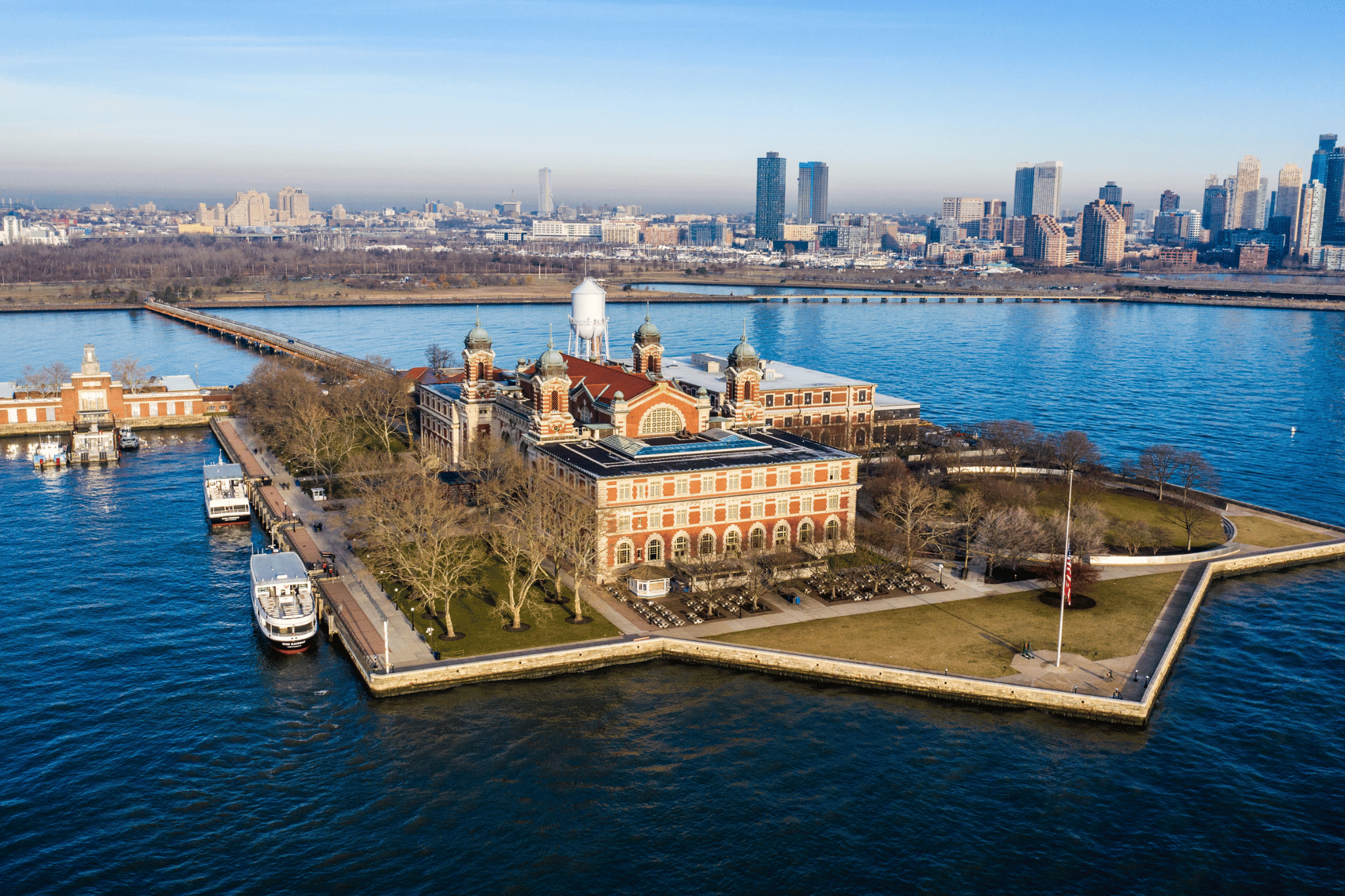
Ellis Island stands in New York Harbor as one of the most significant landmarks in United States history. This federal immigration station processed over 12 million immigrants between 1892 and 1954, shaping the American dream for generations. Whether you’re tracing your family roots or exploring iconic NYC history, this guide covers everything you need to know.
Key Takeaways
- Ellis Island is accessible only by ferry from Battery Park in NYC or Liberty State Park in Jersey City, operated by the National Park Service
- The Ellis Island National Museum of Immigration features the Registry Room, Great Hall, and free access to the American Family Immigration History Center
- Combined tickets include both Ellis Island and Liberty Island, home to the Statue of Liberty National Monument
- Plan for 3-4 hours to fully explore the main building, museum exhibits, and outdoor areas
Book your stay near Ellis Island with CozySuites and wake up minutes from New York Harbor’s most historic site.
What Is Ellis Island?
Ellis Island is a federal immigration station located in Upper New York Bay. From 1892 to 1954, it served as the primary entry point for immigrants arriving in America. The island’s north side features the iconic main building, which now houses the Ellis Island Immigration Museum.
The National Park Service manages the site today. Visitors can explore the processing station where millions began their new lives in the United States. The location sits between New York and New Jersey, with the southern portion technically in Jersey City.

How to Get to Ellis Island
Ellis Island is only accessible by ferry service. The Statue City Cruises ferry departs from two locations and is the exclusive provider authorized by the National Park Service.
Ferry Departure Locations
| Departure Point |
Location |
Best For |
Travel Time |
| Battery Park |
Lower Manhattan, NYC |
Staying in New York City |
15 minutes to Liberty Island, 20 minutes to Ellis Island |
| Liberty State Park |
Jersey City, NJ |
Staying in New Jersey |
10 minutes to Ellis Island |
Ferries run daily, weather permitting. The first ferry typically departs around 9:00 AM, with the last departure in late afternoon. Check the official National Park Service site for current schedules.
Pro Tip: Book your ferry tickets online at least a week in advance through Statue City Cruises. Same-day tickets often sell out during peak season (May through September).
Exploring the Ellis Island National Museum of Immigration
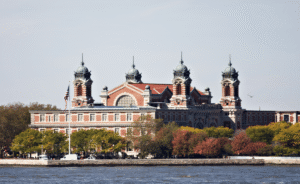
The Ellis Island National Museum opened in 1990 inside the restored main building. This historic structure features steel frame construction with fireproof materials, rebuilt after a devastating fire in the early 1900s.
What to See in the Main Building
Registry Room (Great Hall): This massive space is where immigrants waited for medical and legal inspections. The room’s soaring ceilings and arched windows remain beautifully preserved. Stand where millions stood as they began their journey to new lives in America.
American Family Immigration History Center: Access free genealogy records of passengers who arrived through Ellis Island. Search for your ancestors and print ship manifests. This discovery center helps you trace your family’s path through the Golden Door.
Permanent Exhibits: The museum displays artifacts, photographs, and personal stories from the immigration experience. Walk through restored examination rooms and dormitories. Interactive displays bring United States history to life.
Museum Highlights
- Original baggage from immigrants’ journeys
- Medical examination tools used by federal government doctors
- Audio recordings of first-hand immigrant stories
- The Treasures from Home exhibit features items that immigrants carried
- Outdoor viewing areas overlooking the Statue of Liberty and New York Harbor
The main building is fully accessible with elevators and ramps. Guided tours are available for deeper historical context.
Visiting Liberty Island and the Statue of Liberty
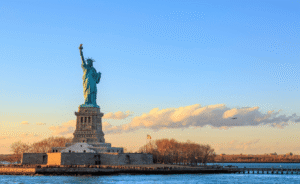
Your ferry ticket includes access to both Ellis Island and Liberty Island. The Statue of Liberty National Monument sits on Liberty Island, just a short ferry ride away. Most visitors explore both sites in one trip.
Liberty Island offers walking paths around the statue’s base. The Liberty Museum opened in 2019 with exhibits about the statue’s construction and symbolism. Reserve crown or pedestal tickets months in advance, as they sell out quickly.
Pro Tip: Visit Liberty Island first in the morning when crowds are lighter, then head to Ellis Island for the afternoon. This strategy gives you better photo opportunities at both locations.
The History of Ellis Island
Origins and Early Years
Castle Clinton in Manhattan served as New York’s first immigration station. By 1890, the federal government needed a larger facility to handle increasing immigration. The War Department oversaw Ellis Island’s transformation from a military site to a processing station.
The original wooden immigration station opened in 1892 but burned down in 1897. Architects rebuilt the facility with fireproof materials and steel frame technology. The new main building opened in 1900 and processed immigrants until 1954.
Peak Immigration Period
Between 1900 and 1914, Ellis Island processed over 5,000 immigrants daily during peak times. People arrived from Europe seeking better opportunities and fleeing persecution. Medical inspections checked for diseases, while legal reviews confirmed documentation.
The Registry Room, or Great Hall, buzzed with dozens of languages. Families waited anxiously as inspectors determined their fate. Most passed through in hours, though some faced detention in the island’s hospital buildings on the island’s north side.
World War Impact and Closure
Immigration slowed dramatically during World War I and World War II. The station served other purposes, including the detention of enemy aliens. Post-war immigration laws shifted processing to U.S. consulates abroad.
Ellis Island closed as an immigration station in 1954. The buildings sat abandoned for decades until the Ellis Island Foundation raised money for restoration. The site reopened as a national museum in 1990.
Planning Your Visit to Ellis Island
Best Times to Visit
Spring (April-May) and fall (September-October) offer pleasant weather with fewer crowds. Summer attracts the most visitors, especially on weekends and holidays. Winter provides a quieter experience, though ferry schedules may be reduced.
Arrive on the first or second ferry of the day. You’ll have more space to explore the Registry Room and museum exhibits. Afternoons get crowded as tour groups arrive.
What to Bring
- Comfortable walking shoes for exploring the island
- Water and snacks (limited food options on site)
- Phone or camera for photos
- Jacket or sweater (the museum can be cool inside)
- Printed or digital ferry tickets
Security screening is required before boarding. Pack light and avoid prohibited items. Check the National Park Service guidelines before your visit.
Accessibility and Services
Ellis Island is accessible to visitors with mobility needs. Elevators serve all floors of the main building. Wheelchairs are available at the information desk. Audio tours offer assistance in multiple languages.
Restrooms and a cafe are located in the main building. Gift shops sell books and souvenirs related to immigration history. Park rangers provide information and answer questions throughout the day.
Exploring the Grounds Beyond the Museum
The west side of Ellis Island offers outdoor walking paths with spectacular harbor views. Explore the landscape and imagine arriving by ship to see the Statue of Liberty for the first time. Benches provide spots to rest and reflect.
The hospital buildings in the island’s northern section are currently closed to general visitors. These structures once provided medical care to detained immigrants. Special hard hat tours occasionally offer access, but must be booked separately through the Ellis Island Foundation.
The east side features memorials and the American Immigrant Wall of Honor. Over 700,000 names are inscribed, honoring immigrants and their descendants. It’s a powerful reminder of America’s multicultural heritage.
Where to Stay Near Ellis Island
Staying in Lower Manhattan or Jersey City puts you closest to Ellis Island ferry departures. CozySuites offers comfortable apartments in New York, perfect for exploring NYC’s historic sites. You’ll enjoy full kitchens, modern amenities, and the space to relax after a day of sightseeing.
For visitors exploring from New Jersey, CozySuites has rentals in Jersey City near Liberty State Park. Walk to the ferry terminal and avoid Manhattan crowds. These locations offer easy access to both Ellis Island and downtown NYC.
Our condos and apartments provide the comfort you need after walking miles through museums. Enjoy the convenience of doing laundry, cooking meals, and spreading out in a real living space.
Making the Most of Your Ellis Island Experience
Combine with Other NYC Attractions
Ellis Island pairs perfectly with other Lower Manhattan sites. The 9/11 Memorial, Wall Street, and South Street Seaport are all nearby. Plan a full day exploring the southern shore of Manhattan.
Battery Park offers beautiful waterfront walks before or after your ferry. The area features monuments, gardens, and skyline views. Grab lunch in the Financial District after returning from the island.
Understanding American Immigration Today
The Ellis Island Immigration Museum provides context for ongoing conversations about immigration in America. Exhibits explore how policies evolved over time. Personal stories humanize the immigrant experience across generations.
The American Family Immigration History Center connects visitors to their own heritage. Discovering your family’s arrival creates a personal link to this world heritage site. Many visitors describe it as a deeply moving experience.
Pro Tip: Download the free Ellis Island audio tour app before your visit. It provides detailed commentary throughout the museum and works offline once downloaded.
FAQ
Is Ellis Island in New York or New Jersey?
Ellis Island is located in Upper New York Bay between New York and New Jersey. While most of the island falls under New York jurisdiction, a portion of the land is in Jersey City, New Jersey. The National Park Service manages the entire site as part of the Statue of Liberty National Monument.
How long does it take to visit Ellis Island?
Plan for 2-3 hours to explore the Ellis Island National Museum of Immigration thoroughly. If you’re researching family history at the American Family Immigration History Center, add another hour. Most visitors spend 3-4 hours total when combining Ellis Island with Liberty Island in one trip.
Can you visit Ellis Island without going to the Statue of Liberty?
Yes, you can stay on the ferry and skip Liberty Island if you prefer. However, your ferry ticket includes access to both sites at no additional cost. The ferry makes stops at Liberty Island first, then Ellis Island, before returning to your departure point.
What happened to the hospital buildings on Ellis Island?
The hospital buildings on the island’s north side served immigrants requiring medical treatment or quarantine. These structures closed when Ellis Island stopped processing immigrants in 1954. The buildings remain largely unrestored, though special hard hat tours occasionally provide access to these historic areas.
Is Ellis Island temporarily closed at any time?
Ellis Island may close temporarily due to severe weather, federal government shutdowns, or maintenance needs. Check the official National Park Service website or call ahead before your visit to confirm the site is open. Ferry service can also be affected by high winds or storms.
Where can I find a map of Ellis Island before visiting?
The National Park Service provides detailed maps on their official Ellis Island page. You can also pick up free maps at the ferry terminals in Battery Park or Liberty State Park. The Statue City Cruises app includes interactive maps to help you explore the island efficiently.
