
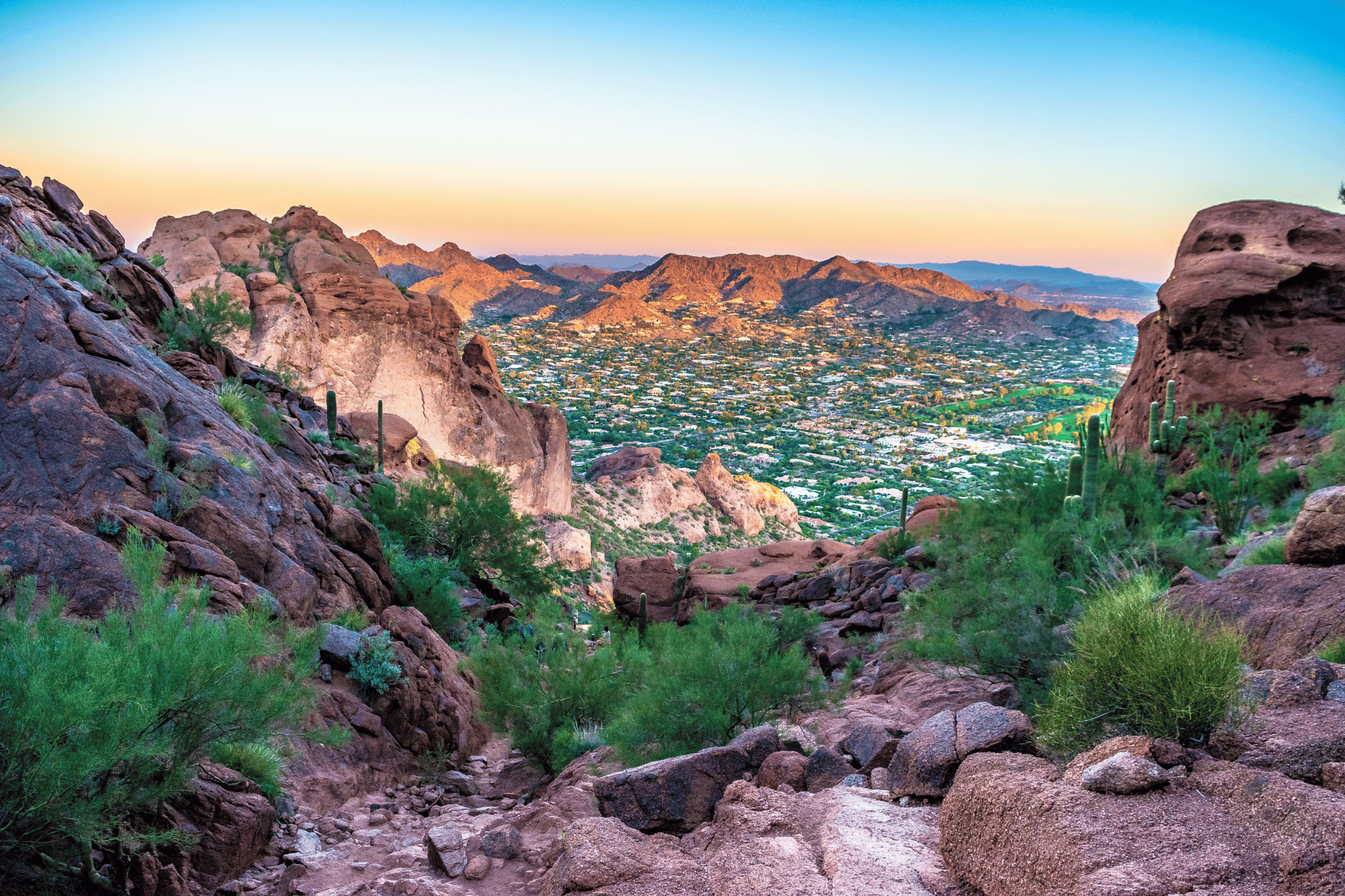
Camelback Mountain in Phoenix isn’t just another hike. It’s a rite of passage for locals and visitors alike. Located in the heart of the Phoenix area, this iconic peak offers challenging trails, stunning desert views, and a workout that’ll have you earning your post-hike meal.
Whether you’re staying in Phoenix, Scottsdale, or Paradise Valley, hiking Camelback Mountain should be at the top of your Arizona bucket list.
Key Takeaways
- Camelback Mountain features two main trails: Echo Canyon Trail (1.23 miles, rated extremely difficult) and Cholla Trail (1.42 miles, slightly less steep)
- Start early to beat the summer heat and crowds. Sunrise hikes offer cooler temperatures and better parking
- Bring more water than you think you need, wear sturdy shoes for uneven terrain, and pack sun protection
- The summit sits at an elevation of 2,704 feet with 360-degree views of the Phoenix Valley
Ready to explore Phoenix? Book your stay with CozySuites and wake up minutes from the trailhead.
Why Camelback Mountain is Phoenix’s Most Famous Hike
Camelback Mountain rises 1,420 feet above the valley floor, dominating the Phoenix skyline with its distinctive hump shape. The rock formations resemble a kneeling camel, which is how this Phoenix city park got its name.
Managed by the Phoenix Parks and Recreation Department, Camelback Mountain trails attract over 300,000 hikers annually. The mountain sits between Phoenix and Scottsdale, making it easily accessible from both cities.
The Sonoran Desert ecosystem here supports diverse plant species like palo verde trees, mesquite, and towering saguaro cacti. Wildlife includes cottontail rabbits, lizards, birds, and yes, occasionally rattlesnakes.
Choosing Your Trail: Echo Canyon vs. Cholla
Camelback Mountain offers two distinct hiking trails, each starting from opposite sides of the mountain. Here’s how they compare:
| Feature | Echo Canyon Trail | Cholla Trail |
| Length | 1.23 miles one-way | 1.42 miles one-way |
| Elevation Gain | 1,280 feet | 1,420 feet |
| Difficulty | Rated extremely difficult, steeper climb | Extremely difficult, slightly more gradual |
| Starting Point | North side (Phoenix) | East side (Paradise Valley/Scottsdale) |
| Terrain | Rock scrambling, metal handrails | Dirt, gravel, boulders |
| Best For | Experienced hikers wanting the challenge | Hikers preferring steadier route |
Echo Canyon Trail: The Classic Challenge
Echo Canyon is the more popular route, known for its steep incline and rock scrambling sections. The first mile will test your endurance as you navigate large boulders and uneven terrain.
Metal handrails assist hikers through the steepest sections. The parking area fills quickly, especially on weekends and during morning hours.
Located at 4925 E McDonald Drive, the Echo Canyon trailhead offers limited parking. Arrive before sunrise to secure a spot.
Cholla Trail: The Steadier Climb
Cholla Trail starts on the east side of the mountain, accessed through the parking area at 6131 E Cholla Lane. This route covers more distance but gains elevation at a slightly less aggressive pace.
The trail surface consists of dirt, gravel, and rock sections. Hikers still face challenging boulder scrambles, particularly in the final push to the summit.
The saddle point between the hump and head of the camel offers a natural rest spot. Many hikers pause here before tackling the final climb to the peak.

Best Time to Hike Camelback Mountain
Summer vs. Cooler Months
Summer temperatures in Phoenix regularly exceed 110°F. If you must hike between June and September, start before sunrise.
The city occasionally closes trails during extreme heat warnings. Check the Phoenix Parks and Recreation Department website for current conditions.
Fall through spring (October through May) offers the best hiking conditions. Morning temperatures range from 50°F to 75°F, perfect for the challenging climb.
Beating the Crowds
Pro Tip: Arrive at least 30 minutes before sunrise to find parking and start your hike in cooler temperatures. Weekday mornings see fewer crowds than weekends.
Sunset hikes are popular but present safety concerns. Descending in darkness on uneven terrain increases the risk of injury. If you do hike at sunset, bring a headlamp and start your descent before it gets fully dark.
What to Bring for Your Camelback Mountain Hike
Essential Gear
- More water than expected: Bring at least 32 oz per person, double that in summer
- Sturdy hiking shoes: The route demands ankle support and grip on rock surfaces
- Sun protection: Wide-brimmed hat, sunglasses, and SPF 50+ sunscreen
- Snacks: Energy bars or trail mix for the summit
- First aid basics: Band-aids and blister treatment
What to Wear
Choose moisture-wicking fabrics over cotton. The desert climate is deceptive. You’ll sweat more than you realize on the climb.
Layers work best for early morning starts when temperatures can be 30 degrees cooler than midday. A light jacket you can stash in your pack is smart.
Avoid loose clothing that can snag on rock formations or desert vegetation.
Trail Safety and Important Warnings
Wildlife Awareness
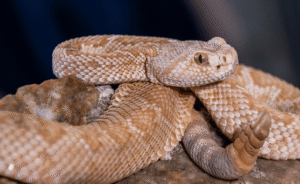
Rattlesnakes are present year-round, but most active during warmer months. Stay on designated trails and watch where you place your hands when scrambling over rocks.
Large animals like coyotes occasionally appear near the mountain but typically avoid hikers. Snakes, lizards, and birds are more commonly spotted.
Physical Demands
Both Camelback Mountain trails are rated extremely difficult for good reason. The steep grade and technical rock scrambling require both cardiovascular fitness and upper body strength.
Rescue calls are common. The Phoenix Fire Department responds to multiple incidents monthly involving exhaustion, dehydration, and falls.
Pro Tip: If you’re new to hiking or haven’t trained recently, consider starting with easier Phoenix trails before attempting Camelback Mountain. The mountain will still be there when you’re ready.
Trail Etiquette
- Hikers ascending have the right of way
- Stay on marked trails to protect desert plant species
- Pack out all trash
- Keep noise levels reasonable
- No drones without permits
Getting to Camelback Mountain
From Phoenix
Echo Canyon trailhead sits in the Arcadia neighborhood of Phoenix, roughly 15 minutes from downtown. Take Camelback Road east to the parking area at McDonald Drive.
From Scottsdale
Scottsdale residents can reach Cholla Trail in 10-15 minutes via E McDonald Drive to Invergordon Road, then south to Cholla Lane.
Parking Challenges
Both parking areas are small and fill completely by 7 AM on weekends. Street parking in the surrounding neighborhoods is limited and often restricted.
Consider rideshare services to avoid parking stress. Several guided hikes companies offer transportation from Phoenix area hotels.
Where to Stay Near Camelback Mountain
Location matters when planning your Camelback Mountain adventure. Staying close to the trailhead means you can start your hike early without a lengthy commute.
CozySuites offers comfortable apartments and condos throughout the Phoenix area, perfect for adventurers who want the convenience of a prime location with the comfort of home. Our accommodations feature full kitchens for meal prep, washer/dryer units, and comfortable living spaces to relax after your hike.
The Paradise Valley and Scottsdale areas put you within minutes of both trailheads. After conquering the summit, you’ll appreciate returning to a spacious condo rather than a cramped hotel room.
Beyond the Summit: Exploring the Phoenix Valley
Nearby Hiking Trails
Once you’ve conquered Camelback Mountain, Phoenix parks offer dozens of additional hiking trails:
- Piestewa Peak: Another challenging summit hike in the Phoenix Mountain Preserve
- Papago Park: Easier trails with unique red rock formations
- South Mountain Park: The largest municipal park in the country with varied terrain
Desert Recreation
The Sonoran Desert environment extends far beyond Camelback Mountain. The Phoenix Mountain Preserve system protects thousands of acres of desert landscape accessible through multiple trailheads.
Spring wildflower season (March-April) transforms the desert with pops of color from blooming plant species. This is prime time for photography and nature observation.
Planning Your Phoenix Adventure
Hiking Camelback Mountain requires preparation, but the summit views make every challenging step worthwhile. The 360-degree panorama encompasses the entire Phoenix Valley, from downtown skyscrapers to distant mountain ranges.
Start training weeks before your trip if you’re not regularly active. The combination of elevation, heat, and technical terrain challenges even fit hikers.
Book accommodations close to the mountain to maximize your time and minimize early morning travel stress. CozySuites properties in Arizona offer the perfect home base for your Phoenix outdoor adventures.
Frequently Asked Questions
Is Camelback Mountain good for beginner hikers?
No, both trails on Camelback Mountain are rated extremely difficult and not recommended for beginners. The steep grade, rock scrambling sections, and exposure to heat make this hike challenging even for experienced hikers. If you’re new to hiking, start with easier trails in the Phoenix area and work your way up to Camelback Mountain.
How long does it take to hike Camelback Mountain?
Most hikers complete the round trip in 1.5 to 3 hours, depending on fitness level and rest breaks. Echo Canyon Trail typically takes 1.5-2 hours total, while Cholla Trail takes 2-3 hours. Allow extra time for photos at the summit and frequent water breaks, especially in warm weather.
Do I need a permit to hike Camelback Mountain?
No permit is required for individual hikers. The trails are free and open to the public during daylight hours. However, guided hike companies operating commercial tours do need special permits from the Phoenix Parks and Recreation Department. Individual hikers can access trails without advance reservations.
What should I do if I encounter a rattlesnake on the trail?
Stay calm and give the snake plenty of space. Rattlesnakes typically avoid confrontation and will move away if given room. Never attempt to touch, provoke, or kill snakes. Back away slowly and alert other hikers. Most snake encounters happen when hikers step near hidden snakes or reach into crevices without looking first.
Can I bring my dog to Camelback Mountain?
No, dogs are not allowed on Camelback Mountain trails at any time. The extreme heat, steep terrain, and rock scrambling sections make the hike dangerous for pets. Phoenix has many other dog-friendly trails in the area that are better suited for hiking with your four-legged companion.
What’s the best season to hike Camelback Mountain?
October through April offers the best conditions, with comfortable morning temperatures between 50 and 75°F. December and January provide the coolest weather, but may require light layers for early starts. Avoid summer months (June-September) unless you can start before sunrise, as temperatures exceed 100°F and heat-related emergencies are common.
