
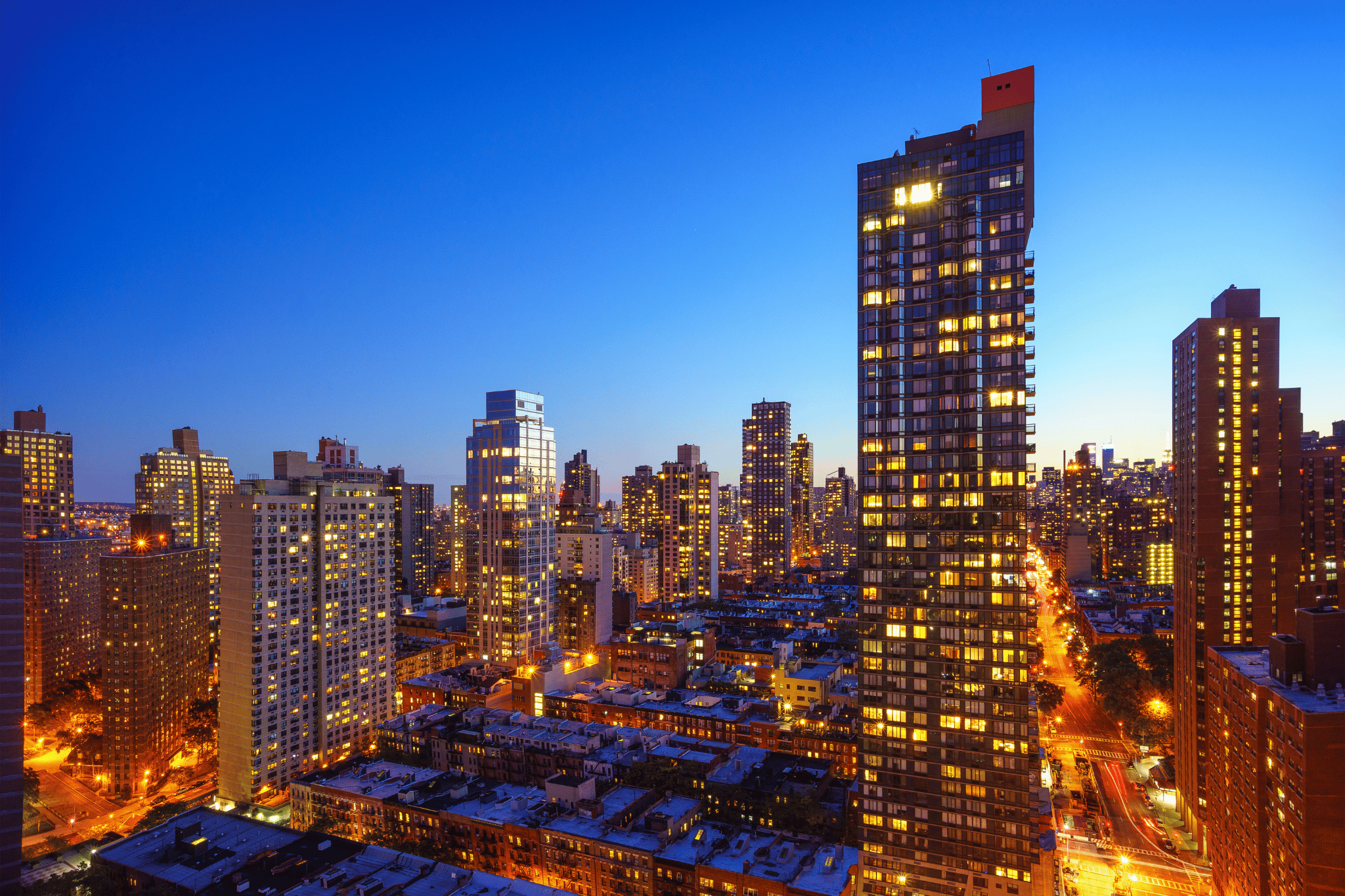
The Upper East Side is one of Manhattan’s most refined neighborhoods, stretching from 59th Street to 96th Street between Central Park and the East River. Known for Museum Mile, tree-lined avenues, and elegant brownstones, this area offers a quieter side of NYC while keeping you close to world-class art, dining, and green spaces. Whether you’re planning a cultural deep dive or just want a sophisticated home base, the Upper East Side delivers.
Key Takeaways
- The Upper East Side features Museum Mile along Fifth Avenue, home to the Metropolitan Museum, Frick Collection, and Neue Galerie, showcasing German and Austrian art
- Located between Central Park and the East River, this neighborhood offers easy access to parks, upscale shopping on Madison Avenue, and diverse dining options
- CozySuites apartments provide the perfect blend of comfort and location for exploring Manhattan’s most established residential area
Book your Upper East Side apartment with CozySuites and experience NYC like a local.
What Makes the Upper East Side Special
The Upper East Side has been home to wealthy families and cultural institutions since the late 19th century. This Manhattan neighborhood extends along some of the city’s most famous streets, including Park Avenue, Madison Avenue, and Fifth Avenue. The area north of 79th Street transitions into Carnegie Hill, known for its concentration of private schools and family-friendly vibe.
Unlike downtown Manhattan, life here moves at a more measured pace. You’ll find residents walking dogs in Central Park, browsing boutiques, and grabbing coffee at corner cafes. The neighborhood’s pre-war buildings and brownstones give it an established, old-money feel that’s quintessentially New York.
Pro Tip: The Upper East Side is one of the safest neighborhoods in NYC, making it ideal for families and first-time visitors to the city.
Museum Mile: A World-Class Art Collection
Museum Mile runs along Fifth Avenue from 82nd to 105th Street, offering one of the world’s greatest concentrations of art and culture. This stretch includes nine famous museums, each worth a visit.
Top Museums to Explore:
- The Metropolitan Museum of Art – One of the largest art museums in the world, featuring over 2 million works spanning 5,000 years. The ground floor houses Egyptian artifacts, while the upper levels showcase European paintings and modern art.
- Neue Galerie – Dedicated to early 20th-century German and Austrian art, including works by Gustav Klimt and Egon Schiele. The collection occupies a stunning 1914 mansion at 86th Street and Fifth Avenue.
- The Frick Collection – Currently undergoing renovations with exhibitions at Frick Madison (945 Madison Avenue). This intimate museum features European paintings and decorative arts owned by industrialist Henry Clay Frick.
- Guggenheim Museum – Frank Lloyd Wright’s architectural masterpiece houses modern and contemporary art in a spiral gallery design
- Cooper Hewitt Smithsonian Design Museum – The only museum in the nation devoted exclusively to historic and contemporary design
Pro Tip: Many museums offer “pay what you wish” hours. The Met suggests a $30 admission fee but accepts any amount from New York State residents.
Exploring Central Park from the Upper East Side
The Upper East Side provides prime access to Central Park’s east side entrances. From here, you can explore the Conservatory Garden (a hidden gem at 105th Street), the Jacqueline Kennedy Onassis Reservoir with its 1.58-mile running track, and the Metropolitan Museum’s rear entrance directly from the park.
Spend half a day wandering from the park’s Bethesda Terrace up to the North Woods. The east side is generally less crowded than areas near the Upper West Side.
Shopping the Avenues
Each avenue in the Upper East Side has its own character and shopping experience.
Fifth Avenue runs along Central Park and features flagship luxury stores, museum gift shops, and iconic apartment buildings with Central Park views. This is where old money meets cultural institutions.
Madison Avenue (between 60th and 80th Streets) is the neighborhood’s main shopping corridor. You’ll find high-end boutiques, art galleries, and designer stores interspersed with cafes and restaurants. The street has a European feel with its tree-lined sidewalks and elegant storefronts.
Park Avenue is primarily residential, known for its wide median planted with seasonal flowers and some of the city’s most expensive apartment buildings. The construction and architecture here represent classic New York luxury.
Lexington Avenue offers a more accessible vibe with chain stores, local markets, and affordable dining options. The subway line runs directly beneath this street, making it a transportation hub for the neighborhood.
Pro Tip: Lexington Avenue has the best selection of affordable restaurants and delis in the Upper East Side, perfect for budget-conscious travelers.

Where to Eat and Drink
The Upper East Side restaurant scene has evolved beyond its stuffy reputation. Today, the neighborhood offers diverse dining from casual cafes to Michelin-starred establishments.
Neighborhood Favorites:
- Café Sabarsky (ground floor of Neue Galerie, 1048 Fifth Avenue) – Viennese coffee house serving Austrian pastries and savory dishes in an elegant setting
- JG Melon (1291 Third Avenue) – Cash-only burger joint that’s been a neighborhood institution since 1972
- Candle 79 (154 E 79th Street) – Upscale vegan restaurant proving plant-based dining can be sophisticated
- The Penrose (1590 Second Avenue) – Gastropub with craft cocktails, perfect for night outings
- Sant Ambroeus (Multiple locations on Madison Avenue) – Italian cafe serving breakfast, lunch, and authentic gelato
The dining scene extends along the cross streets between avenues, where you’ll discover Japanese, Italian, French, and American restaurants.
Upper East Side vs Upper West Side
Many visitors wonder which side of Central Park suits them best. Here’s a quick comparison:
| Feature | Upper East Side | Upper West Side |
| Vibe | Traditional, refined, quieter | Intellectual, family-friendly, livelier |
| Museums | Met, Guggenheim, Frick, Neue Galerie | American Museum of Natural History, New York Historical Society |
| Shopping | Madison Avenue boutiques, luxury brands | Columbus Avenue, more casual retail |
| Dining | Upscale, European influence | Diverse, more casual options |
| Parks | Central Park East Side, Carl Schurz Park | Central Park west side, Riverside Park |
| Transportation | 4, 5, 6, Q trains on Lexington | 1, 2, 3, B, C trains |
Both neighborhoods offer excellent quality of life. The Upper East Side skews more traditional and quiet, while the Upper West Side has a slightly more relaxed, academic atmosphere.
Historic Sites and Landmarks
Beyond museums, the Upper East Side has significant historical and political sites worth visiting.
Gracie Mansion (East End Avenue at 88th Street) serves as the official residence of the mayor of New York City. The Federal-style house, established in 1799, sits in Carl Schurz Park overlooking the East River. Public tours are available.
Temple Emanu-El (Fifth Avenue at 65th Street) is one of the largest synagogues in the world, featuring stunning Moorish Revival architecture.
The Seventh Regiment Armory (643 Park Avenue) is a historic building with a massive drill hall used for art shows, antique fairs, and cultural events.
Getting Around: Transportation Guide
The Upper East Side is well-connected by public transportation, making it easy to explore the rest of Manhattan and beyond.
Subway Lines:
- 4, 5, 6 trains run along Lexington Avenue with stops every 10 blocks
- Q train runs along Second Avenue (newer line opened in 2017)
- N, R, W trains stop at Lexington Avenue/59th Street (southern border)
Buses:
- M1, M2, M3, M4 run north-south along Fifth Avenue and Madison Avenue
- M15 runs along First and Second Avenues
- M86 runs crosstown along 86th Street, connecting to the Upper West Side
From Airports:
- JFK: Take AirTrain to Jamaica Station, then E train to Lexington Avenue/53rd Street (about 60 minutes)
- LaGuardia: M60 bus to 125th Street, transfer to 4/5/6 trains south
- Newark: NJ Transit to Penn Station, then subway uptown
Walking is also popular in this neighborhood. The blocks are easy to navigate, and most attractions are within a 20-minute walk.
Living Like a Local: Where to Stay
If you’re planning an extended stay or want the comfort of an apartment over a hotel, the Upper East Side is an excellent location choice. The neighborhood’s residential character means you’ll experience authentic New York life rather than tourist chaos.
CozySuites offers modern apartments in New York that provide the perfect home base for exploring Manhattan. Our condos and apartments come fully furnished with kitchens, giving you the flexibility to cook breakfast before a museum day or relax after exploring Central Park.
The Upper East Side location puts you within walking distance of world-class art, diverse restaurants, and excellent transportation. You’ll spend less time commuting and more time experiencing what makes New York special.
Pro Tip: Book an apartment near the 86th Street subway station for the best combination of restaurants, shopping, and transit access.
Best Time to Visit
The Upper East Side shines year-round, but each season offers something unique.
Spring (April-May): Central Park blooms with cherry blossoms and tulips. The weather is mild, perfect for walking the Museum Mile. Expect moderate crowds.
Summer (June-August): Warm weather brings outdoor concerts in Central Park and extended museum hours. Can get hot and humid, but parks and air-conditioned museums provide relief.
Fall (September-November): Peak season for visitors. Central Park’s fall foliage is spectacular, especially from the reservoir path. Museums launch major exhibitions. Book accommodations early.
Winter (December-March): Fewer crowds mean easier museum visits. Holiday decorations along Fifth Avenue create magical photo opportunities. Some restaurants offer NYC Restaurant Week deals in January.
Beyond the Main Attractions
Once you’ve covered the famous museums and Central Park, explore these lesser-known spots:
Carl Schurz Park runs along the East River from 84th to 90th Street. This waterfront park offers stunning river views, dog runs, and a peaceful esplanade. It’s where locals go to escape Central Park crowds.
Henderson Place Historic District (East End Avenue between 86th and 87th Streets) features 24 preserved Queen Anne-style rowhouses from 1882. This quiet enclave feels like stepping back in time.
Yorkville (roughly 79th to 96th Street, east of Lexington) was once a German and Eastern European immigrant neighborhood. While gentrified, you can still find traditional German restaurants and Austrian bakeries honoring the area’s history.
92nd Street Y is a cultural center offering lectures, concerts, and classes. Check their schedule for evening performances by authors, musicians, and thought leaders.
Family-Friendly Activities
The Upper East Side is one of NYC’s most family-oriented neighborhoods, with excellent schools and services designed for children.
Playgrounds: Central Park’s Ancient Playground (85th Street) has a pyramid climber and Egyptian-themed equipment. James Michael Levin Playground (76th Street) features modern play structures.
Kid-Friendly Museums: The Met offers family programs and hands-on activities. The Cooper Hewitt has interactive design labs where children can create digital designs.
Children’s Stores: Mary Arnold Toys (1010 Lexington Avenue) has been a neighborhood staple since 1931, offering classic toys and games.

Practical Tips for Your Visit
Money and Budget: The Upper East Side has a reputation for being expensive, but you can find affordable options. Lexington and Third Avenues have reasonably priced delis, pizza shops, and ethnic restaurants. Museums with suggested admission let you control costs.
Safety: This is one of the safest neighborhoods in Manhattan. Normal city precautions apply, but violent crime is extremely rare.
What to Pack: Comfortable walking shoes are essential. The neighborhood is best explored on foot, and you’ll easily walk several miles per day. Dress in layers, as museum temperatures vary.
Services: You’ll find banks, pharmacies (CVS and Duane Reade on most major avenues), supermarkets (Whole Foods at 87th and Columbus), and health services throughout the neighborhood.
Pro Tip: Download the Citymapper app for real-time subway and bus information. It’s more accurate than Google Maps for NYC transit.
FAQ
What is the Upper East Side known for?
The Upper East Side is known for Museum Mile along Fifth Avenue, which includes world-class institutions like the Metropolitan Museum of Art and the Guggenheim. The neighborhood is also famous for its wealthy families, elegant brownstones, Central Park access, and sophisticated dining and shopping along Madison Avenue.
Is the Upper East Side expensive to visit?
While the Upper East Side has upscale shopping and fine dining, visitors can control costs by choosing apartments over hotels, eating on Lexington or Third Avenues, and taking advantage of free or pay-what-you-wish museum admission. Many parks and outdoor activities are completely free.
How do I get from the Upper East Side to downtown Manhattan?
Take the 4, 5, or 6 train south on Lexington Avenue or the Q train on Second Avenue. Both lines connect to downtown in 20 to 30 minutes. The M15 bus also runs down First and Second Avenues if you prefer surface transportation with views.
What’s the difference between the Upper East Side and Upper West Side?
The Upper East Side is more traditional and refined, featuring Museum Mile and Madison Avenue shopping. The Upper West Side has a more intellectual, family-oriented vibe with the Natural History Museum and Lincoln Center. Both offer excellent access to Central Park from opposite sides.
Where should I stay in the Upper East Side?
The best area to stay is between 72nd and 86th Streets, close to major subway lines on Lexington Avenue or Second Avenue. This central location puts you within walking distance of museums, restaurants, and Central Park. CozySuites offers comfortable apartments throughout this prime area.
Can I visit Gracie Mansion?
Yes, Gracie Mansion offers public tours that must be booked in advance through the NYC Parks Department website. The historic house, which serves as the mayor’s residence, sits in Carl Schurz Park with beautiful East River views. Tours typically run seasonally and may have limited availability.
